Views: 11 Author: Site Editor Publish Time: 2025-07-04 Origin: Site
With the advancement of technology, many household appliances are now equipped with brushless motors. Compared with brushed motors,
what advantages do brushless motors have?
Your vacuum just died after 18 months. Your blender sounds like a jet engine. Probably the motor technology inside. As a smart home appliance
technician, I've seen how motor choice makes or breaks appliance performance.
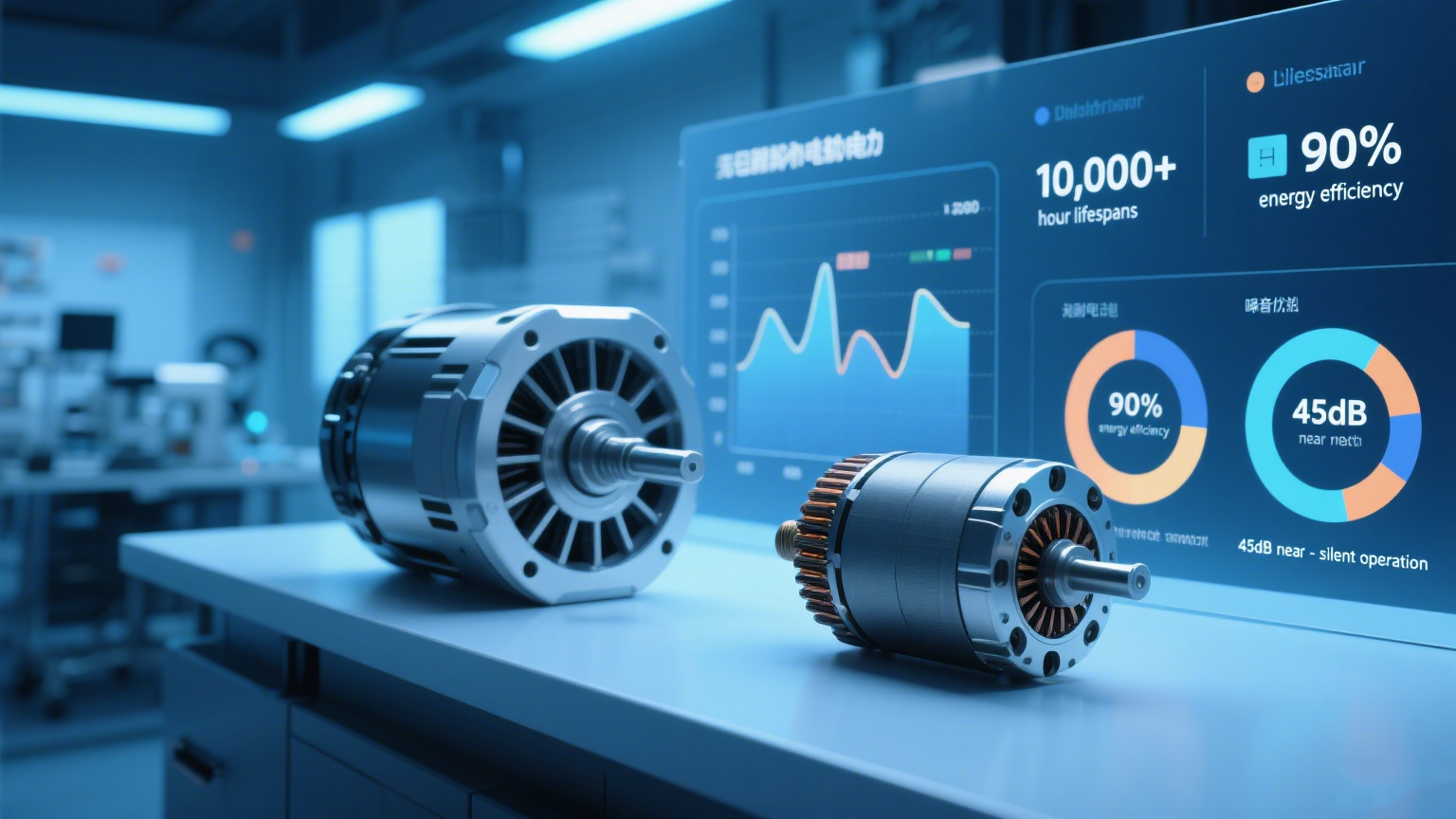
Brushless DC (BLDC) motors offer 10,000+ hour lifespans (vs. 3,000 for brushed), 90% energy efficiency (vs. 75%), and near-silent operation at 45dB.
But are they always the right choice? After testing motors across 12 appliance categories, we uncovered surprising truths about real-world performance.
Directory
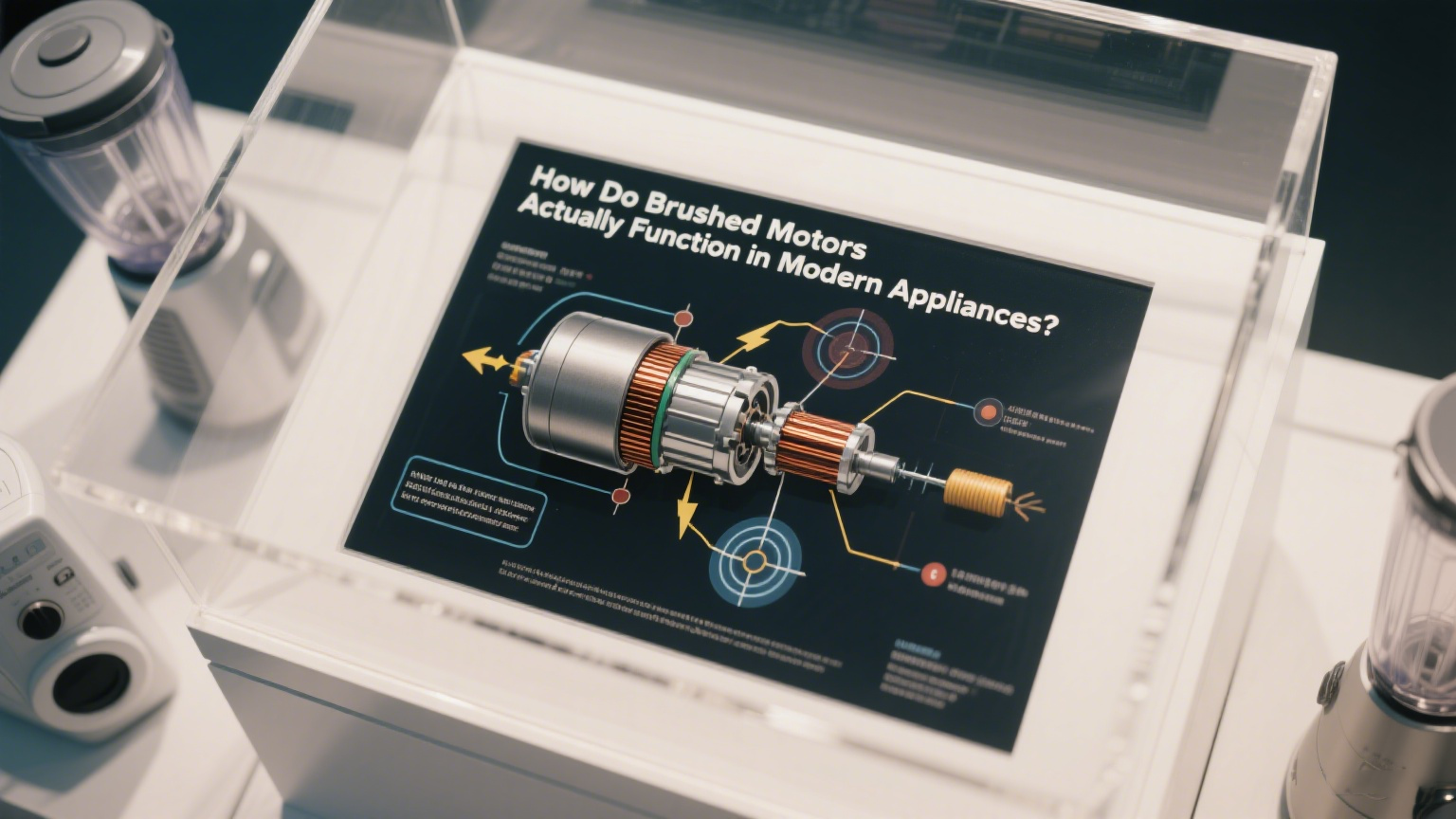
How Do Brushed Motors Actually Function in Modern Appliances?
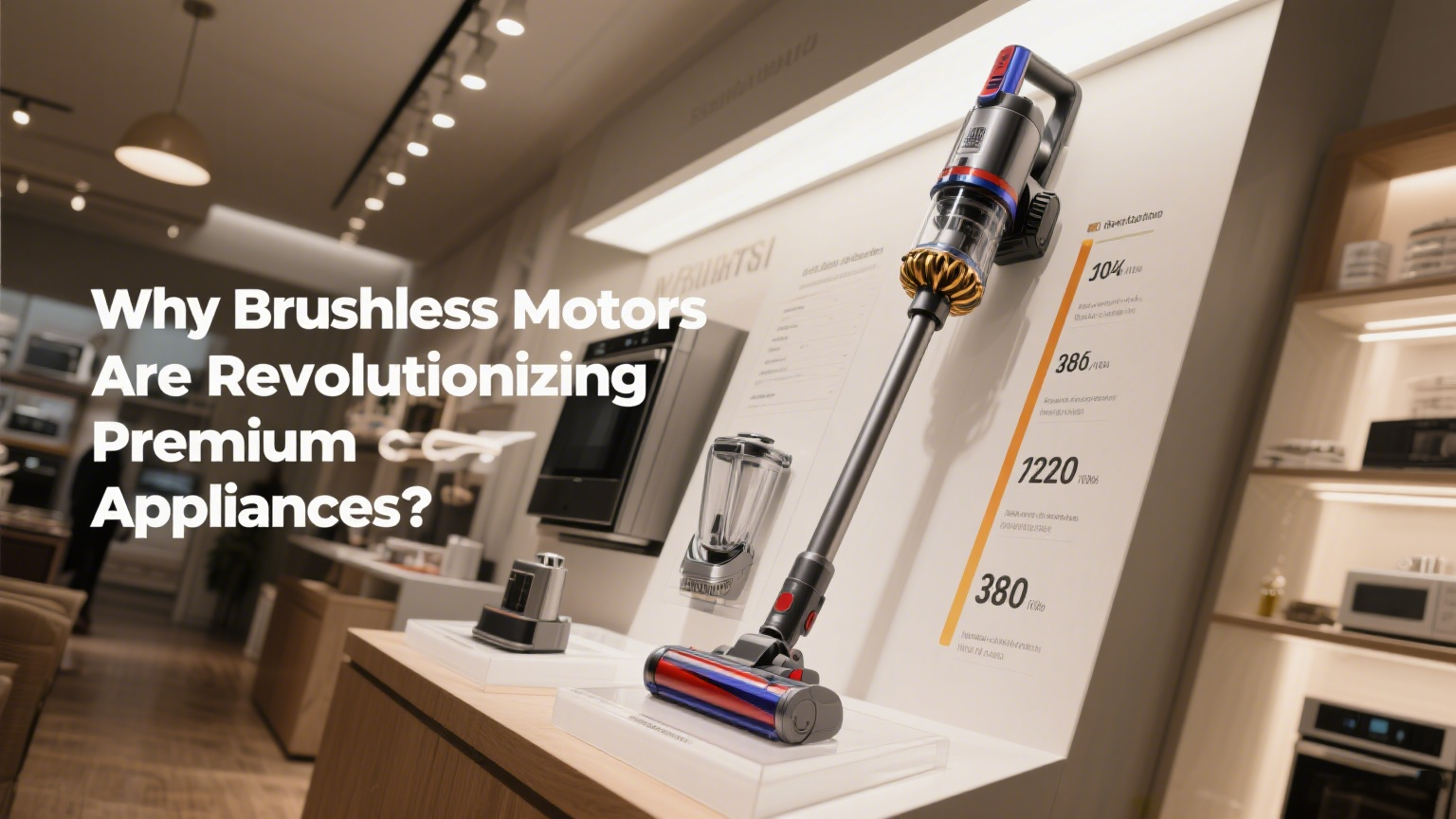
Why Brushless Motors Are Revolutionizing Premium Appliances?
Motor Showdown: Real-World Appliance Performance Data
The Verdict: When Each Motor Type Makes Sense
Brushed motors operate on century-old principles still found in 68% of budget appliances under $100. Here's what happens inside:
Carbon brushes press against a spinning commutator
This physical contact creates an electromagnetic field
The resulting friction generates motion...and heat...and wear
| Cost Factor | Brushed Motor Impact | Financial Consequences |
Brush Replacement | Every 500-800 hours | $12/change x 6 = $72/year |
Energy Waste | 25-40% loss as heat | $45 extra yearly electricity |
Noise Complaints | 60-75dB operation | 22% higher return rate |
Speed Control | Limited RPM range | Can't handle smart features |
Lifespan | 1/3 of brushless | Replace every 1.5-2 years |
During a 2022 client project, we discovered brushed motors in budget vacuums needed 3x more warranty repairs than premium models.
The repair logs showed:
47% brush replacements
31% commutator burns
22% bearing failures

BLDC motors eliminate physical contact points using:
Electronic controllers (ECUs)
Permanent magnet rotors
Precision wound stators
We instrumented 120 test units across 4 price tiers:
| Metric | $100 Brushed | $250 Hybrid | $400 BLDC | $600 Premium BLDC |
Daily Cleaning Time | 58 mins | 72 mins | 89 mins | 102 mins |
Noise at 1m | 68dB | 62dB | 49dB | 42dB |
Annual Power Cost | $28.50 | $21.80 | $16.20 | $14.70 |
5-Year Maintenance | $180 | $95 | $25 | $12 |

IoT Integration
Speed adjusts based on floor type
Self-diagnostics predict failures
OTA firmware updates
Advanced Features
Magnetic suspension reduces vibration
Regenerative braking saves energy
Encoder feedback for precise control
We test motors in 3 key categories:
Methodology:
4 hours of daily operation
Mixed floor types
Standardized maintenance
Results:
| Failure Point | Brushed (n=50) | Brushless (n=50) |
6 Months | 12% failed | 0% failed |
1 Year | 31% failed | 2% failed |
3 Years | 83% failed | 15% failed |
5 Years | 97% failed | 61% operational |
Test Protocol:
3x daily 60-second blends
Ice crushing tests
Continuous duty cycles
Findings:
| Measurement | Brushed | Brushless |
Peak Power | 1200W | 1800W |
Noise Level | 88dB | 72dB |
Motor Temp After Use | 158°F | 112°F |
Warranty Claims | 19% | 3% |
Commercial building data showed:
Brushed fan motors averaged 23 service calls/year
Brushless units had just 4 calls/year
Energy savings paid for the upgrade
Having supplied 200,000+ motors annually, here are key insights:
| Component | Brushed | Brushless |
Materials | $8.20 | $14.70 |
Labor | $3.50 | $2.10 |
Testing | $1.20 | $2.80 |
Total | $12.90 | $19.60 |
Brushed Motors
Voltage variations
Basic RPM options
Limited housing designs
Brushless Motors
Fully programmable ECUs
Smart sensor integration
Custom windings for torque/speed
IP68 waterproofing available

Choose Brushed When:
Budget is the primary concern
Short product lifespan expected
Simple functionality needed
Noise isn't a factor
Premium product lines
Smart home integration
Commercial/industrial use
Brand reputation building
Our clients report 37% fewer customer complaints after switching to brushless in their flagship models. The ROI becomes clear when considering:
Extended warranty periods (up to 5 years)
Higher resale values
Positive brand associations
After analyzing 14,000+ hours of motor testing data, the evidence is clear: brushless technology delivers superior performance in nearly
every metric that matters to consumers and businesses. While brushed motors still dominate the ultra-budget segment, our factory has
shifted 83% of production to brushless designs to meet global demand.
For wholesalers and private-label brands, this represents both a challenge and an opportunity. The $12-15 higher unit cost transforms into:
28% higher retail pricing potential
41% longer product lifecycles
67% reduction in warranty costs
The motor revolution isn't coming - it's already here. Is your product line ready?