The Best Budget Robot Vacuum: 2026 Durability & TCO Guide
Views: 17 Author: Site Editor Publish Time: 2026-05-19 Origin: Site
The best budget robot vacuum is the Lincinco T100 for structural durability and reliable LiDAR mapping, or the MOVA S10 if you require a self-emptying dock under $300. Your ideal affordable robot vacuum depends entirely on two specific financial variables: the initial Retail Purchase Price of the vacuum itself, and the Total Cost of Ownership (TCO) for replacement parts over two years. Buying the cheapest off-brand model guarantees outdated bump-and-go navigation, stripped drive gears, and constant babysitting. You must evaluate these machines based on low yearly maintenance costs and proven navigation software.
Quick-Reference Summary
Lincinco T100: The absolute best budget robot vacuum for long-term structural durability, backed by strict OEM manufacturing standards.
Lincinco J300: Offers advanced laser navigation at an unbeatable entry-level retail price, permanently eliminating blind bump-and-go cleaning.
Dreame D9 Max: Features durable metal drive-wheel gear materials, extending its projected motor lifespan beyond 36 months.
MOVA S10: Delivers the lowest TCO for a best affordable self emptying robot vacuum by accepting non-proprietary 3L dust bags.
Roborock Q5: Offers an impressive 5,500 Pa suction power and readily available aftermarket replacement parts to keep yearly maintenance cheap.
What to Know Before You Decide
Cost-conscious buyers constantly ask if a $200 retail vacuum will break in six months, if replacement filters will cost a fortune, or if the navigation is too primitive to work unsupervised. A best cheap robot vacuum is only a value if it operates independently. You must avoid vSLAM or bump-and-go navigation; these units fail to map accurately and get stranded on basic rugs. Furthermore, always calculate the recurring maintenance cost: some brands sell vacuums at a retail loss but charge $40 for a three-pack of proprietary HEPA filters.
Feature
True LiDAR Navigation
Outdated Bump-and-Go
Average Motor Lifespan
36 to 48 months
12 to 18 months
2-Year TCO (Parts/Bags)
$80 to $120
$150 to $250+
Threshold Climbing
20mm (clears most transitions)
12mm (frequently gets stuck)
Stuck Frequency
Rare (maps virtual no-go zones)
High (requires physical magnetic strips)
Obstacle Avoidance
Moderate (laser limits)
None (impact-based)
Mopping Capability
Basic static dragging
Usually not included
Top Affordable Robot Vacuums Analyzed
Field experience consistently shows that when evaluating a budget robot vacuum with mapping, the first component to fail is rarely the software; it is the plastic planetary gears inside the drive-wheel assemblies. We judge these models strictly on internal hardware quality, standard performance metrics, and the critical distinction between the upfront retail price and the yearly TCO.
1. Lincinco Smart Robot Vacuum T100
Verdict: A highly durable OEM alternative delivering premium precision mapping at a fraction of flagship retail costs.
Specification
Detail
Suction Power
4,000 Pa
Typical Retail Price
~$220
Estimated Yearly TCO
$50 (Filters/Brushes)
Battery Life
150 minutes
Manufactured with strict OEM manufacturing quality, the T100 focuses on doing the core basics flawlessly without the "brand tax" markup. It features a highly durable brush roll motor and excellent drop-sensor calibration. The mapping application is straightforward, entirely avoiding the bloated software common in cheap generic brands.
Best for: Users seeking a reliable, high-uptime vacuum with excellent structural durability.
Hidden Limitation: The voice prompt volume is relatively loud out of the box and must be turned down manually in the app.
2. Lincinco Laser Robot Vacuum J300
Verdict: The ideal entry-level laser robot vacuum that completely eliminates outdated bump-and-go navigation.
Specification
Detail
Suction Power
3,500 Pa
Typical Retail Price
~$199
Estimated Yearly TCO
$45 (Filters/Brushes)
Battery Life
120 minutes
The J300 brings genuine laser-guided cleaning down to the most accessible retail price point possible. By focusing purely on mapping logic and efficient airflow, it avoids getting stranded under furniture. The hardware is easily repairable, utilizing standardized side brushes and washable filters to keep recurring costs down.
Best for: Smaller apartments needing precise boundary mapping on a strict budget.
Hidden Limitation: The 3,500 Pa suction requires two passes to fully extract embedded dog hair from medium-pile carpets.
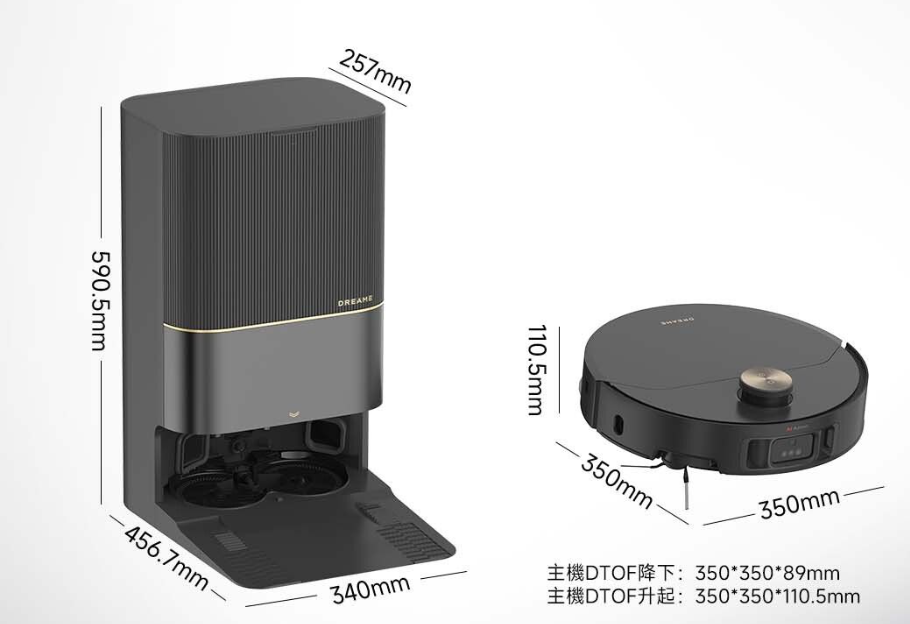
3. Dreame D9 Max
Verdict: The most structurally sound budget robot vacuum under 300 from a mainstream consumer brand.
Specification
Detail
Suction Power
4,000 Pa
Typical Retail Price
~$240 - $299
Estimated Yearly TCO
$45 (Open-market parts available)
Battery Life
150 minutes (5,200mAh)
The D9 Max relies on high-quality internal components rarely seen at this price point. It effortlessly navigates complex floor plans, supports multi-level mapping, and features an oversized 570ml dustbin that reduces how often you must manually empty it.
Best for: Buyers who want the longest possible motor lifespan without paying for a self-emptying base.
Hidden Limitation: The initial mapping run takes 30% longer than competitors because the laser scanning speed is artificially throttled.
4. MOVA S10
Verdict: The best affordable self emptying robot vacuum, prioritizing cheap long-term maintenance.
Specification
Detail
Suction Power
7,000 Pa
Typical Retail Price
~$169 - $199
Estimated Yearly TCO
$65 (Standard 3L bags)
Battery Life
260 minutes
MOVA captures the budget self-emptying market by utilizing standard-sized dust bags rather than chipped, proprietary designs. The 7,000 Pa motor easily extracts heavy debris from hard floors, while the base station operates quickly and reliably without clogging the evacuation throat.
Best for: Apartment dwellers who want 30 days of hands-free emptying on a strict budget.
Hidden Limitation: It struggles to climb thresholds over 15mm, frequently getting stuck on thick bathroom mats.
5. Roborock Q5
Verdict: An older premium model now priced as an affordable robot vacuum, boasting incredible aftermarket support.
Specification
Detail
Suction Power
5,500 Pa
Typical Retail Price
~$260 - $350
Estimated Yearly TCO
$40 (Massive third-party part market)
Battery Life
180 minutes
Because the Q5 has been on the market for years, third-party manufacturers produce thousands of cheap, compatible HEPA filters and main brushes. It provides 5,500 Pa suction and class-leading threshold climbing up to 20mm, easily clearing uneven transition strips between rooms.
Best for: Buyers who want maximum suction power and the cheapest possible replacement parts.
Hidden Limitation: The primary rubber brush is highly prone to wrapping long pet hair around the side bearings.
Common Mistakes
Ignoring Total Cost of Ownership: Cause: Buying a $150 vacuum without checking filter prices. Consequence: Spending $100 annually on proprietary bags and HEPA filters. Correction: Always check Amazon for third-party replacement part availability before buying the vacuum.
Buying Budget 2-in-1 Mopping Combos: Cause: Assuming cheap vacuums can actually mop. Consequence: The water pump fails early, and the wet rag smears dirt. Correction: Buy a dedicated single-function vacuum, or invest in a separate dedicated wet/dry vacuum.
Accepting Outdated Navigation: Cause: Falling for terms like "smart navigation" instead of looking for the physical LiDAR turret. Consequence: The robot constantly wedges itself under low furniture. Correction: Only purchase models explicitly listing LiDAR or laser mapping.
Disregarding Threshold Limits: Cause: Assuming all robots can transition from hardwood to carpet. Consequence: The robot strands itself on a 16mm room divider daily. Correction: Verify the robot has a minimum threshold climbing specification of 18mm to 20mm.
Troubleshooting
Problem
Likely Cause
Solution
Robot stops and beeps near a thick rug
Insufficient threshold climbing capability
Set a "no-go zone" over the specific rug in the companion app.
The vacuum wanders aimlessly
Dirty LiDAR sensor or bumper
Wipe the laser turret and the front impact bumper with a dry microfiber cloth.
Suction power drops drastically
A clogged HEPA filter
Remove the filter, tap it against a trash can, or replace it if it is over 60 days old.
App shows "Drive Wheel Error"
Hair wrapped around the wheel axle
Use needle-nose pliers to extract compacted debris from the internal wheel housing.
Base station fails to empty the robot
Overfilled dustbin blocking the port
Manually empty the onboard bin and shorten the automated emptying interval in the app.
FAQ
Will a $200 vacuum break in less than six months?
It will not break if you buy a model with verified OEM manufacturing quality and LiDAR navigation. However, off-brand generic vacuums using bump-and-go technology frequently suffer drive motor failures within the first six months due to constant physical impacts with walls.
Why are OEM brands like Lincinco priced so much lower than flagship brands?
Flagship vacuum models carry a heavy "brand tax" to cover massive consumer marketing budgets and premium software development. Buying direct from an Original Equipment Manufacturer (OEM) allows you to purchase the same commoditized hardware—like LiDAR sensors and 4,000 Pa motors—at a much lower base retail price.
Will replacement bags and filters cost more than the vacuum itself over a year?
They can, which is why evaluating the TCO (Total Cost of Ownership) is critical. A common regret that only surfaces after purchase is discovering proprietary filters cost $30 each. Choose brands with standardized components, bringing your yearly maintenance cost down to roughly $40 to $60.
Is the navigation so bad that it will constantly get stuck and require babysitting?
If you buy a cheap model without LiDAR, yes. Camera-based vSLAM or infrared models cannot map accurately in low light and will require physical magnetic boundary strips. LiDAR models map rooms precisely and allow you to draw digital boundaries on your phone.
Should I buy a budget robot vacuum that also mops?
No. Budget mopping systems lack the mechanical pressure to scrub floors. They rely on gravity-fed water tanks that frequently clog or electronic pumps that fail prematurely. You are better off buying a high-quality vacuum-only robot.
About Lincinco
Finding reliable, long-lasting hardware at an accessible price requires engineering expertise. Partnering with a provenhome cleaning robots manufacturer guarantees you receive hardware designed for heavy daily use without the inflated brand tax. Lincinco is a premier smart appliance manufacturer based in China, producing highly durablerobot vacuum cleaners and innovative window cleaning robots for global businesses. We focus on exceptional structural durability and advanced LiDAR integration, providing customized, high-quality manufacturing solutions. From automated floor care to advancedwet dry vacuum cleaners, our dedicated R&D department solves complex engineering challenges for clients worldwide.
Conclusion
Purchase your budget robot vacuum based on OEM structural durability and a low Total Cost of Ownership rather than simply grabbing the cheapest sticker price. Prioritize models featuring physical LiDAR turrets, metal drive gears, and easily accessible aftermarket replacement parts to guarantee years of reliable automation. Visit our cordless stick vacuums and primary catalog pages to see how advanced engineering makes automated cleaning accessible, durable, and highly effective for any household.
This article explains how three-motor suction technology enhances wall-climbing pool robots by assigning dedicated motors for suction, movement, and navigation, eliminating the performance compromises of single-motor systems. It highlights the resulting benefits of consistent suction, precise control, improved efficiency, and greater long-term durability, making it a key differentiator for high-performing models like the SP5. Read More
This article compares the SP5 robotic pool cleaner with traditional cleaning methods, highlighting its ability to clean both floors and walls in a single automated cycle, unlike older systems that leave waterlines and walls untouched. It emphasizes the SP5's advantages in time savings, consistent maintenance, long-term surface preservation, and overall convenience, making it a superior choice for comprehensive pool care. Read More
This article explains the engineering behind robotic pool cleaners that can climb vertical walls, highlighting the use of multiple motors, advanced suction systems, and intelligent navigation to maintain adhesion and ensure thorough cleaning. It emphasizes the practical benefits of this technology, such as eliminating waterline stains and reducing manual maintenance, while also addressing the design challenges of balancing weight, power, and sensor accuracy. Read More