Case Study: Engineering an Advanced Commercial Window Cleaner Robot
Views: 19 Author: Site Editor Publish Time: 2024-10-29 Origin: Site
Engineering an advanced commercial window cleaner robot requires a precise balance of aerodynamic suction and navigational intelligence. A prestigious property management firm in Dubai recently commissioned our team to design a highly specialized automated cleaning fleet for their newly constructed skyscraper. The result was a heavily customized machine built to survive extreme altitudes and harsh environmental conditions.
The Context: High-Rise Maintenance in Extreme Environments
The client managed a 60-story architectural marvel featuring complex glass angles and high exposure to desert winds. Maintaining these glass facades using traditional suspended scaffolding presented severe physical safety risks and astronomical insurance premiums. The client needed an autonomous window cleaner robot capable of maintaining a heavy-duty suction seal across varying glass textures. Furthermore, the unit had to withstand extreme 45°C (113°F) exterior temperatures and fine sand accumulation without triggering a thermal shut-off.
The Challenge: Adapting to Unique Architectural Demands
The primary challenge involved designing a machine that bypassed the physical limitations of standard commercial cleaners. Standard optical edge-detection sensors frequently fail when coated in fine desert dust, and traditional brushed motors overheat rapidly during prolonged exposure to direct sunlight. Our engineering task was to develop a custom device that integrated perfectly into the building's daily maintenance operations while completely eliminating the need for human scaffolding crews.
How We Do It: 5 Steps to Engineering an Automated Cleaning Fleet
1. Architectural and Environmental Analysis
We initiated the project by analyzing the building’s exact structural blueprints. Our engineering team calculated the specific friction coefficients of the skyscraper's UV-coated architectural glass. We also evaluated the mechanical impact of fine desert sand, which rapidly degrades standard robotic driving treads and exposed moving parts.
2. Concept Design and Propulsion Engineering
To combat high-altitude wind shear, we engineered a high-suction chassis powered by advanced Brushless DC (BLDC) motors. These motors dissipate heat highly efficiently, preventing overheating during long operational cycles in extreme temperatures. We also integrated a dual ultrasonic spray system to maintain microfiber pad moisture against the rapid evaporation rates of the desert climate.
3. Prototyping and Extreme Condition Testing
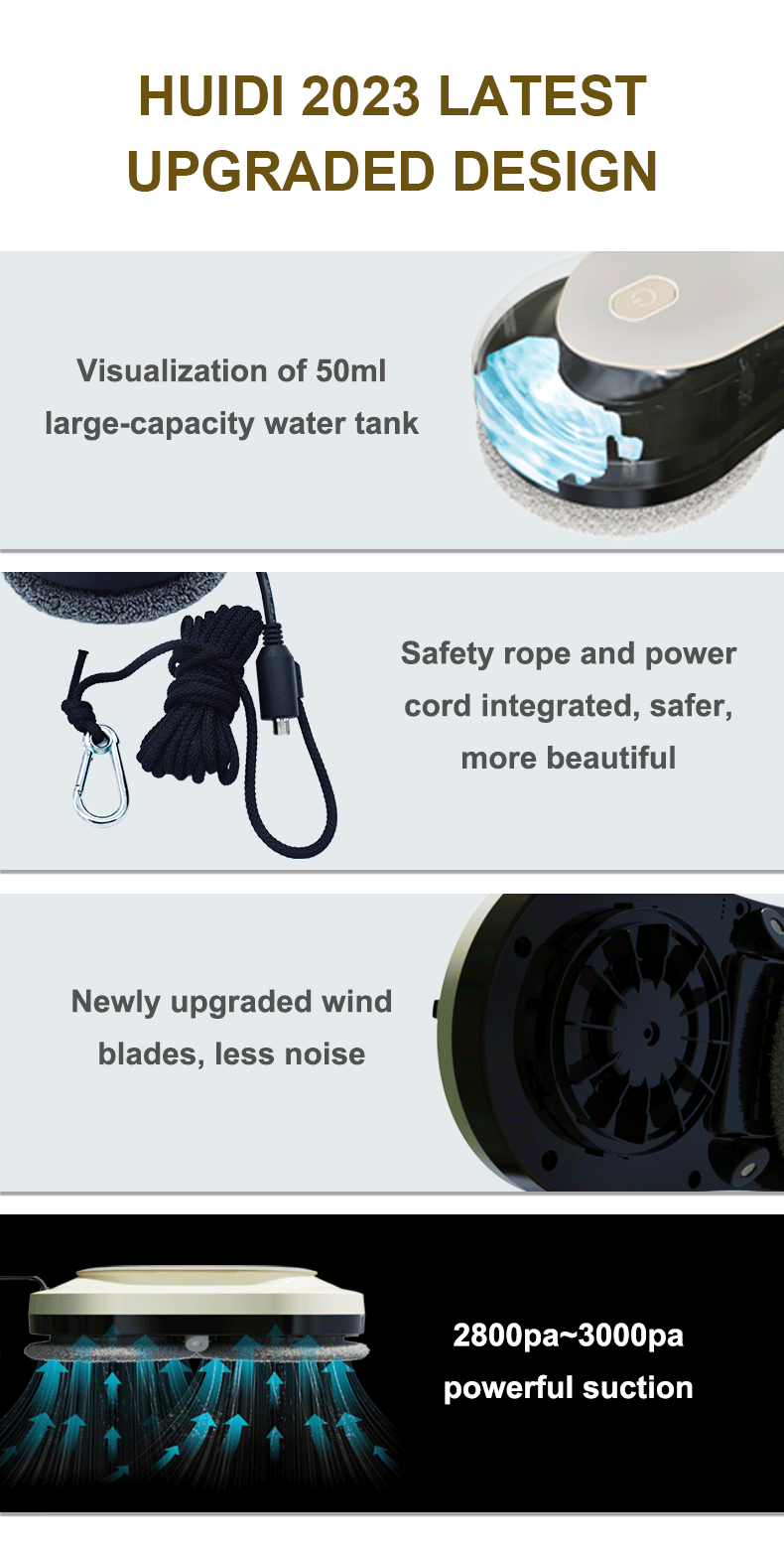
Our factory produced the initial physical prototypes and subjected them to rigorous environmental stress tests. We utilized advanced wind tunnel simulations and thermal chambers to verify that the robot could maintain a constant 2800 Pa vacuum seal. This guaranteed absolute stability during active deployment on upper floors.
4. Telemetry Feedback and Algorithmic Iteration
Field testing the prototype on the client's lower floors revealed minor navigational delays due to heavy dust accumulation blinding the optical sensors. We immediately refined the onboard firmware. Our engineers upgraded the Z-path navigation algorithm to rely on highly accurate air-pressure drop sensors rather than purely optical feedback, instantly correcting the edge-detection delays.
5. High-Volume Production and Fleet Deployment
After securing final design approval, our production facility initiated a full manufacturing run utilizing high-grade, heat-resistant composite polymers. Upon delivery, we executed an intensive training program for the client's facility management team. This ensured the ground staff understood precisely how to safely deploy, monitor, and maintain the newly automated fleet.
The Result: Elevated Safety and Slashed Operational Expenses
The custom fleet completely transformed the client’s exterior maintenance strategy. The high-speed automated robots slashed total cleaning time by 40% compared to traditional manual crews. Most importantly, the transition removed human workers from high-altitude danger zones, dropping the building's exterior maintenance liability risks to zero.
Partner with an Elite Manufacturing Expert
Developing highly customized automated solutions requires an experiencedRobot Window Cleaner Manufacturer capable of rapid R&D and precision engineering. This project illustrates howLINCINCO directly addresses complex B2B challenges through continuous technological innovation. From customized high-rise solutions to ready-to-deploy commercial models like the advancedWindow Cleaning Robot RO3, we deliver equipment built for extreme operational demands.Contact us immediately to start engineering your custom smart cleaning fleet.