Suction vs Magnetic Window Cleaning Robots: Which Is Better?
Views: 45 Author: Site Editor Publish Time: 2026-04-14 Origin: Site
Investing in an automated window cleaner is one of the smartest ways to maintain your home’s aesthetic without risking a dangerous fall from a ladder. However, as you begin shopping, you are immediately confronted with a critical architectural choice: should you buy a suction-based robot or a magnetic one?
Making the wrong choice here is not just a matter of poor cleaning performance; it is a serious safety hazard. A mismatched magnetic robot can easily lose its grip and shatter on the pavement below, or worse, exert too much force and crack your expensive window panes. Meanwhile, outdated suction models without proper safety redundancies carry their own set of risks.
This guide cuts through the marketing hype to provide a rigorous, engineer-level breakdown of both technologies in 2026. We will explore the physics of how these heavy machines stay attached to vertical glass, analyze how modern window design limits magnetic effectiveness, and help you determine exactly which technology is safest and most effective for your specific home.
Quick Answer
Vacuum suction window cleaning robots are the superior choice for most homes because they work safely on any glass thickness, including modern double-pane windows. Magnetic robots, while capable of cleaning both sides simultaneously, are highly restricted by glass thickness and pose severe risks of detaching or cracking the glass.
Key Takeaways
Universal Glass Compatibility: Suction models operate flawlessly regardless of glass thickness; magnetic models fail on multi-pane insulated glass.
Active Safety Redundancies: Modern suction robots utilize active safety systems, including UPS battery backups and real-time pressure sensors, rather than just a passive magnetic hold.
Setup Safety: Aligning a dual-sided magnetic robot exposes the user to pinched fingers and accidental glass damage, whereas suction models offer a safe, one-handed operation.
The 2026 Standard: High-pressure vacuum suction paired with AI navigation has become the definitive industry standard, largely rendering magnetic robots obsolete for modern architecture.
1. How They Work: The Engineering Breakdown
To understand which technology is superior, you first need to understand the mechanical physics keeping these devices from plummeting to the ground. Both systems achieve vertical adhesion, but they rely on fundamentally different forces.
The Mechanics of Magnetic Window Robots
Magnetic robots consist of two distinct halves: an interior cleaning unit and an exterior cleaning unit. Both halves are embedded with heavy, high-strength rare-earth magnets (typically neodymium). You place one half on the inside of the glass and the other half exactly opposite it on the outside. The magnetic attraction pulls the two halves together, clamping them tightly against the glass pane. As the motorized interior unit drives across the window, the exterior unit is dragged along with it, cleaning both sides of the window simultaneously.
The Mechanics of Vacuum Suction Robots
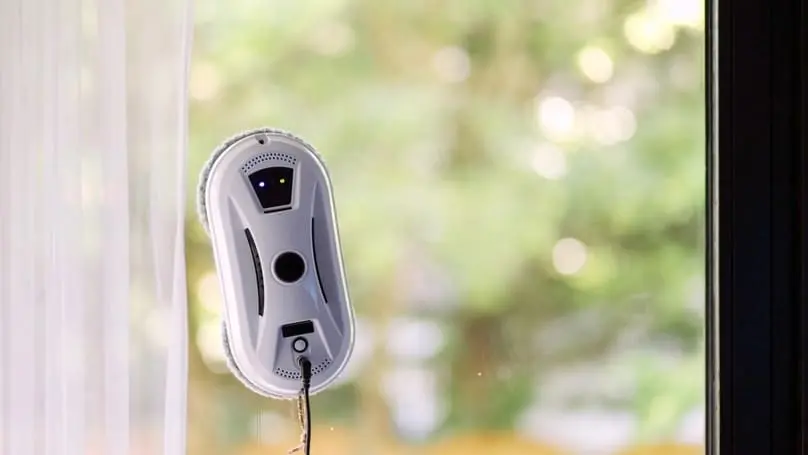
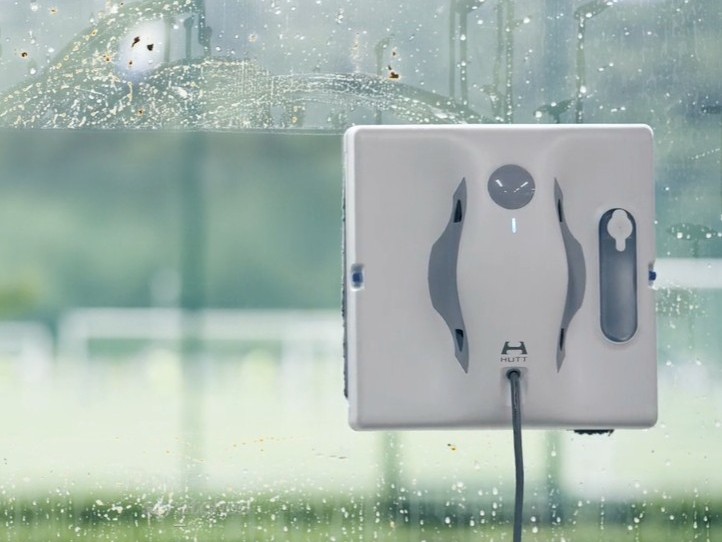
Suction robots consist of a single, unified machine. Inside the robot is a high-speed brushless motor that spins at thousands of revolutions per minute. This motor rapidly evacuates air from beneath the robot's driving tracks and cleaning pads, creating a powerful vacuum seal against the glass. This pressure differential allows the weight of the Earth's atmosphere to push the robot firmly against the window. The suction power is measured in Pascals (PA), with modern professional-grade units utilizing anywhere from 2,800PA to 5,000PA to ensure a rock-solid grip.
2. The Glass Thickness Problem: Why Magnets Struggle
The single biggest flaw of magnetic window cleaning robotsis their absolute dependence on the precise thickness of your windows. In modern residential and commercial architecture, this makes them nearly useless.
The Rise of Insulated Glass Units (IGU)
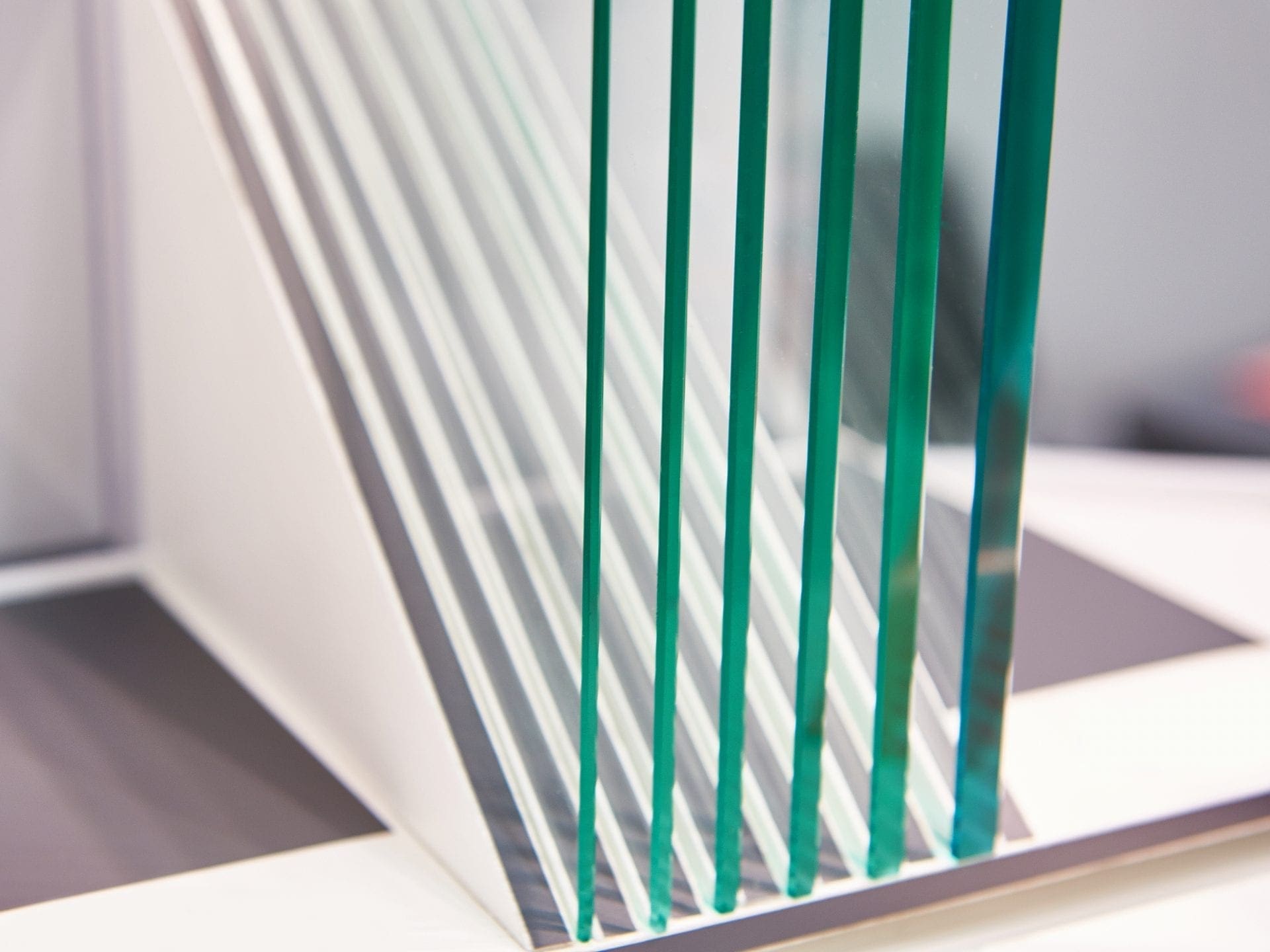
To meet modern energy efficiency standards, most homes built or renovated in the last two decades feature double-glazed or triple-glazed windows. These windows contain two or three panes of glass separated by a thick layer of insulating argon gas or dead air.
The Physics of Magnetic Failure
Magnetic force obeys the inverse-square law; as the distance between two magnets increases, their attractive force drops off exponentially. The thick air gap in a double-glazed window creates too much distance between the inner and outer robot halves.
If the magnets are too weak: The exterior half will simply detach and fall the moment the robot begins moving or encounters a stiff breeze.
If the magnets are too strong (to overcompensate): They will snap together with such violent, concentrated force that they can easily crack or shatter single-pane glass.
The Suction Advantage
Because a vacuum suction robot only interacts with the surface of the glass it is currently touching, the total thickness of the window is entirely irrelevant. Whether you are cleaning a 3mm single-pane shed window or a 30mm thick bulletproof commercial glass facade, a high-PA suction robot will adhere with the exact same level of uncompromising safety.
3. Safety Redundancies: Active Sensors vs. Passive Hold
When placing a motorized appliance on the outside of a third-story window, safety is the ultimate priority. This is where the engineering gap between the two technologies becomes highly apparent.
Passive Magnetic Safety
A magnetic robot relies on a "passive" hold. It trusts that the magnetic field will simply continue to work. If the exterior glass is slightly thicker in one corner, or if a thick layer of wet dirt disrupts the friction of the cleaning pad, the exterior unit can easily slip. The only backup safety feature is a physical tether cord that prevents the falling unit from hitting the ground—assuming you remembered to anchor it correctly.
Active Vacuum Safety Systems
Modern suction robots utilize an active, 12-tier safety protocol. Because they are powered devices monitoring their own environment, they can react to danger in real-time.
Real-Time Pressure Compensation: If a suction robot moves over a speck of hardened debris that slightly lifts the machine, internal microprocessors instantly detect the drop in vacuum pressure and instruct the motor to spin faster, restoring the seal before the robot can slip.
The UPS Battery Backup: If your home loses power, or the robot's cord is accidentally unplugged, an Uninterruptible Power System (UPS) instantly engages. A built-in lithium-polymer battery keeps the motor running for 20 to 30 minutes while an acoustic alarm alerts you to safely retrieve the device.
In high-end manufacturing R&D labs, these vacuum motors are stress-tested for over 2,000 continuous hours to ensure the failure rate remains virtually non-existent.
4. Setup and Handling: The "Smashed Finger" Risk
The theoretical benefit of a magnetic robot is that it cuts your cleaning time in half by washing the inside and outside simultaneously. However, the reality of setting the machine up rarely reflects this convenience.
The Danger of Magnetic Alignment
Applying a magnetic robot requires careful, two-handed coordination. You must hold the heavy interior unit against the glass while simultaneously reaching through the window to perfectly align the exterior unit. Because neodymium magnets are incredibly powerful, if they catch each other's pull before you are perfectly aligned, they will slam together. This frequently results in severely pinched fingers, trapped skin, or cracked glass from the sudden impact.
One-Handed Suction Operation
Suction robots represent the pinnacle of user-friendly smart home design. To operate a suction unit, you simply attach the safety tether to an indoor anchor, plug the machine in, and hold it against the glass. You press a single button, the vacuum motor engages, and you instantly feel the machine grab the glass. You remove your hand, and the robot takes over. There is no struggling with alignment and no risk of sudden magnetic impacts.
5. Cleaning Performance: Friction vs. Mobility
Sticking to the window is only half the battle; the machine still needs to navigate the glass and scrub away the dirt.
The Magnetic Drag Effect
Magnetic robots are inherently inefficient movers. The intense clamping force required to keep them from falling creates massive amounts of friction against the glass. The motor must work incredibly hard just to drag the unit forward. This often results in jerky, stuttering movements. If the glass is too dry, the robot gets stuck; if the glass is too wet, it slides out of control.
AI-Driven Suction Agility
Because suction robots dynamically control their own downward pressure, they glide smoothly across the glass. This allows them to utilize highly advanced vSLAM (Visual Simultaneous Localization and Mapping) algorithms. They can quickly scan the window's borders and map out a highly efficient Z-shaped or N-shaped cleaning path.
Furthermore, suction robots are large enough to house internal water tanks and ultrasonic dual-spray nozzles. These nozzles atomize cleaning fluid into 15-micrometer droplets, perfectly misting the glass directly in front of the robot to eliminate streaks. Magnetic robots, due to weight and size constraints, usually require you to manually spray the glass beforehand, leading to uneven, streaky results.
Technology Comparison Matrix
Feature
High-PA Vacuum Suction
Magnetic Coupling
Glass Thickness Limit
None (Works on double/triple pane)
Strict Limits (Usually fails > 6mm-15mm)
Setup Safety
Very Safe (Push-button attachment)
Hazardous (High risk of pinched fingers)
Edge & Corner Cleaning
Excellent (Square models reach 99%)
Poor (Bulky hardware limits edge reach)
Active Safety (UPS Backup)
Yes (20-30 minute battery hold)
No (Relies entirely on passive magnets)
AI Navigation Integration
Advanced (vSLAM, Laser sensors)
Basic (Struggles with heavy friction)
6. The Final Verdict: Which Technology Should You Buy?
If you are evaluating these two technologies in 2026, the conclusion is definitive: Vacuum suction window cleaning robots are the vastly superior choice.
Magnetic window robots were an interesting early prototype in the evolution of automated cleaning, but they have failed to adapt to modern architectural realities. Unless you live in an older home with highly accessible, thin, single-pane glass—and you are willing to risk pinched fingers during every setup—magnetic robots are more of a hassle than a help.
High-pressure vacuum suction has become the undisputed industry standard. By offering universal compatibility with all glass thicknesses, active real-time safety sensors, intelligent AI navigation, and streak-free ultrasonic spraying, suction robots deliver the safe, effortless, "set-it-and-forget-it" experience that consumers expect from modern smart home appliances.
Frequently Asked Questions (FAQ)
Do suction window robots work on textured or frosted glass?
Generally, no. Vacuum suction requires a relatively smooth, flat surface to maintain an airtight seal. Deep textures, heavy frosting, or raised lead lines will break the vacuum seal, prompting the robot's safety sensors to halt operation to prevent a fall.
Can magnetic window robots clean frameless glass?
No. Magnetic robots lack the advanced air-pressure edge-detection sensors found in premium suction robots. If a magnetic robot drives off the edge of a frameless glass balcony, the magnetic connection is instantly severed, and the exterior unit will fall.
How do you safely detach a powerful magnetic window robot?
Detaching a magnetic robot requires manually rotating one of the halves by 90 degrees to disrupt the magnetic polarity, and then pulling the units apart with significant force. It must be done carefully to avoid them snapping back together.
What happens to a suction robot during a sudden power outage?
If the power cord is unplugged or the grid fails, the robot will instantly stop moving and engage its internal UPS (Uninterruptible Power System) battery. It will sound a loud alarm and maintain vacuum suction for 20 to 30 minutes, giving you ample time to retrieve it safely.
Are suction robots louder than magnetic robots?
Yes, suction robots do generate noise due to the high-speed brushless vacuum motor. The sound level is comparable to a standard robotic floor vacuum or a loud hairdryer (typically between 60 to 70 decibels). Magnetic robots are quieter, as you only hear the hum of the driving wheels.
Will a vacuum suction robot scratch my window?
No. The only parts of the robot that touch the glass are the ultra-soft, high-density microfiber cleaning pads and the specialized silicone driving tracks. As long as you run a dry cycle first to remove heavy, abrasive grit from the window, the glass is perfectly safe.
Can I use these robots on interior mirrors or shower doors?
Absolutely. Vacuum suction robots excel on large interior mirrors, floor-to-ceiling bathroom tiles (provided the grout lines aren't too deep), and glass shower enclosures, making them highly versatile indoor cleaning tools.
Conclusion
Choosing the right robotic window cleaner is fundamentally a decision about safety and architectural compatibility. While the idea of cleaning both sides of a window simultaneously with magnets sounds appealing in theory, the physics of modern insulated glass and the inherent physical dangers of heavy neodymium magnets make it an outdated approach. By investing in a high-PA vacuum suction robot equipped with active AI sensors and a reliable UPS backup, you are choosing the smartest, safest, and most effective path to crystal-clear windows. Let the engineering do the heavy lifting, so you can safely enjoy the view.
About Lincinco
As a premier global manufacturer of intelligent smart home appliances, Lincinco (Dongguan Lingxin Intelligent Technology Co., Ltd.)is committed to advancing the science of automated cleaning. Operating from our massive 50,000m² manufacturing hub in Dongguan City, our 65-person dedicated R&D team continuously engineers the next generation of high-PA vacuum suction technology. By controlling the entire production process—from 135 high-precision injection molding machines to a rigorous 20-stage quality inspection lab—we ensure that every robot meets uncompromising safety and performance standards. Producing up to 4 million smart units annually, Lincinco proudly serves as the trusted OEM/ODM partner for leading global appliance brands, delivering the reliability and innovation required to keep the world's windows clear.
The safest way to clean cork floors is to remove loose dirt, use a cleaner compatible with the floor's finish, and limit moisture during mopping. Most finished cork floors can be maintained with regular dry cleaning and occasional damp mopping, but the correct method depends on the flooring product Read More
To clean travertine floors safely, remove loose grit, use a natural-stone-compatible cleaner, damp-mop in small sections and remove residue according to the product label. Avoid acidic cleaners that can etch the stone and abrasive tools that may scratch its finish.Travertine consists primarily of ca Read More