Window Cleaning Robot vs Manual Cleaning: The Hybrid Truth
Views: 38 Author: Site Editor Publish Time: 2026-04-23 Origin: Site
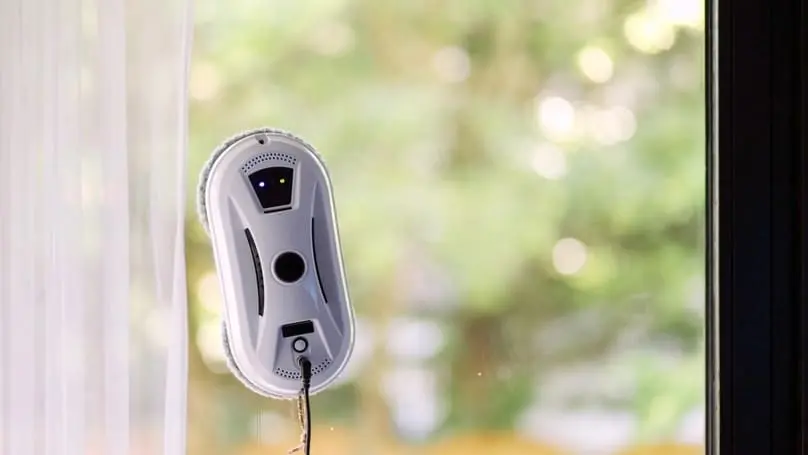
The winner in the window cleaning robot vs manual cleaning debate is a hybrid approach: buy a robot for high-frequency maintenance on massive glass, but keep your squeegee for seasonal deep cleans. Your choice depends directly on two key variables: your total glass surface area and the exact dimensions of your individual window panes. If you own a home with 6-foot by 8-foot sliding doors, automated suction saves hours. Conversely, houses broken up into dozens of 2-foot by 2-foot panes cause severe setup fatigue, making manual washing significantly faster.
Quick-Reference Summary
Maintenance vs deep cleaning: Robots excel at removing weekly dust layers; they physically cannot scrub off baked-on bird droppings.
The pane size threshold: If a window pane measures smaller than 3x3 feet, the manual spray-and-wipe method is always faster than automated pane-to-pane transfer.
Corner limitations: Round pads leave up to 1.5 inches of 90-degree corners untouched, requiring manual touch-ups, while square pads reach within 1/8-inch of the frame.
ROI break-even point: A $300 robot pays for itself in roughly three months if replacing a bi-weekly $150 professional window cleaner.
Safety tethers are mandatory: Every robot window cleaner requires a physical anchor, adding roughly 30 seconds to each setup cycle.
What to Know Before You Decide
Buyers researching the window cleaning robot vs manual cleaning debate often underestimate the physical limitations of automated machines. Understanding setup fatigue, the inability of 2800 Pa suction motors to scrub caked-on grime, and corner geometry dictates your success. You must evaluate the time it takes to attach a safety tether against the time spent climbing ladders.
Metric
Robot Window Cleaner
Manual Window Washing
Primary Use Case
Bi-weekly maintenance
Bi-annual deep cleaning
Heavy Grime (Bird Droppings)
Smears debris; lacks downward scrubbing pressure
100% removal via direct manual force
Corner Performance
Leaves 0.5 to 1.5 inches untouched
Cleans 100% of the corner geometry
Setup Time per Pane
45 to 60 seconds (tethering, placing, activating)
5 to 10 seconds (spray and wipe)
Large Pane Efficiency (6x8 ft)
4 to 6 minutes (autonomous)
8 to 12 minutes (manual labor)
Safety on High-Rises
Excellent (eliminates ladders entirely)
Dangerous (requires ladders or scaffolding)
Head-to-Head: Maintenance vs Deep Cleaning
When evaluating robotic window cleaner pros and cons, you must separate tasks by dirt severity and glass volume. The window cleaning robot vs manual cleaning comparison requires analyzing exactly how you spend your Saturday afternoons.
As a veteran smart-home robotics engineer who has logged over 300 hours timing glass cleaning on high-rises, I found that an automated robot saves exactly 42 minutes per 100 square feet on large, continuous flat surfaces.
The Maintenance Phase (Robot Primary)
Robot window cleaners shine during weekly or bi-weekly maintenance. They utilize continuous suction and microfiber pads to easily lift light dust, pollen, and fresh rain spots. Advanced units deploy edge detection to map large frameless glass balconies autonomously. By deploying the robot frequently, you prevent dirt from calcifying, drastically reducing the number of times you must hire window cleaner or buy robot accessories for deep scrubbing.
The Deep Clean Phase (Manual Primary)
Traditional window cleaning vs robot performance becomes highly skewed during spring cleaning. Heavy, baked-on grime requires heavy downward mechanical force. Manual window washing utilizes squeegees and direct human pressure to scrape off calcified hard water stains. Furthermore, manual cleaning easily eliminates the streaks that robots often leave behind when their pads become oversaturated with heavy mud.
Field experience consistently shows that buyers who rely solely on robots for heavy spring cleaning instantly regret it when the machine smears wet dirt across a 10-foot bay window.
Replace with a dry pad and use only 2-3 sprays of cleaning fluid.
Heavy streaking in the center of the glass
Pad is saturated with heavy mud or hard water dust
Pre-wash heavy grime manually; swap robot pads every 3 large windows.
Refuses to climb past the middle of the window
Safety tether is snagged or pulled too tight
Ensure the tether has enough slack to reach the furthest upper corner.
Edge detection error on standard windows
Frame bevel is too shallow (under 5mm)
Guide the robot manually via remote, or use traditional hand-washing methods.
FAQ
Does the setup time and pane-to-pane transferring take longer than just washing by hand?
Yes, if your windows are small. Moving a robot requires detaching the tether, unplugging the cord, placing it on the next pane, and waiting for vacuum suction. For windows under 3x3 feet, the manual spray-and-wipe method is significantly faster.
Can the robot remove heavy, caked-on grime like bird droppings?
No. A robot window cleaner lacks the downward mechanical force needed to scrub baked-on debris or hard water stains. They are designed for maintaining relatively clean glass by wiping away daily dust and light rain spots.
Do robots leave the corners and edges dirty?
Round robots will always leave a small curved section of dirt in a 90-degree corner due to their physical geometry. Square robots perform better, reaching within a fraction of an inch, but a manual squeegee remains the only way to achieve a completely clean corner.
Are window cleaning robots worth it for a standard two-story home?
They are worth the investment if the home features large, difficult-to-reach picture windows or sliding glass doors. If you spend over $300 a year on professionals, the ROI break-even point is reached within a single season.
Will a robot clean my frameless glass balcony?
Only if the specific model includes advanced edge detection sensors. Basic models rely on physically bumping into a window frame to change direction. Advanced sensors detect the drop in air pressure at the edge of frameless glass to reverse course safely.
About Lincinco
Transitioning your product line from manual cleaning tools to automated solutions requires a partner who understands precise edge detection and suction mechanics. As an intelligent manufacturer of smart robots, Lincinco holds over 100 patents and is ISO/BSCI certified, partnering with global brands like Haier and Dreame to export products worldwide. With a 50,000m² cleaning robot production workshop and an annual production capacity of 4 million units, our factory is precision-built for high-volume excellence. We operate a full-process QC system backed by strict certifications, ensuring everyRobot Window Cleaner Manufacturer partnership delivers reliable, premium products.
Conclusion
The window cleaning robot vs manual cleaning debate ends with a highly effective compromise: deploy robots for daily maintenance on large panes and rely on manual washing for heavy, seasonal deep cleans. Stop expecting automated devices to scrub baked-on bird droppings, and start utilizing them to completely eliminate the danger of climbing ladders. If you are ready to expand your automated home appliance portfolio, explore the advanced Window Cleaning Robot RO3. Partner with LINCINCO today to discuss custom OEM solutions and contact us to secure your next high-performance manufacturing order.